Best Diet Foods for Weight Loss 2026: Evidence-Based Dubai Dining Guide
Dubai's dining scene tempts with endless buffets, brunches, and dessert carts, yet 68% of residents struggle with weight gain from restaurant portions and reduced activity due to the heat. Forget fad diets—science proves food quality beats calorie counting. High-protein, high-fibre foods create effortless 500-calorie deficits while preserving muscle at Zuma, Comptoir 102, or home kitchens.
This 2026 guide ranks the top 10 evidence-based weight loss foods available across Dubai supermarkets (Waitrose, Spinneys, Carrefour) and restaurants. Backed by 2025-2026 nutrition research, these foods deliver an average of 12kg of fat loss for Being Fit clients who combine diet with training. From DIFC lunch power bowls to Jumeirah iftar specials, here's exactly what works.
Why Dubai Weight Loss Fails (And How Food Choice Fixes It)
Restaurant Reality: Zuma's miso black cod (800 calories) equals 4 chicken breasts. Brunch buffets average 3,200 calories. Portion distortion kills 82% diet attempts.
Science Solution: High-volume, low-calorie foods fill plates without calorie overload. Protein leverage theory (2025 Cell Metabolism) showsthat 1.6g/kg protein prevents muscle loss during 20% calorie cuts.
Fibre fermentation reduces hunger hormones 28%.
Being Fit Results: Clients eating these 10 foods lost 4.2kg more fat than standard diets over 12 weeks while dining out 5x weekly.
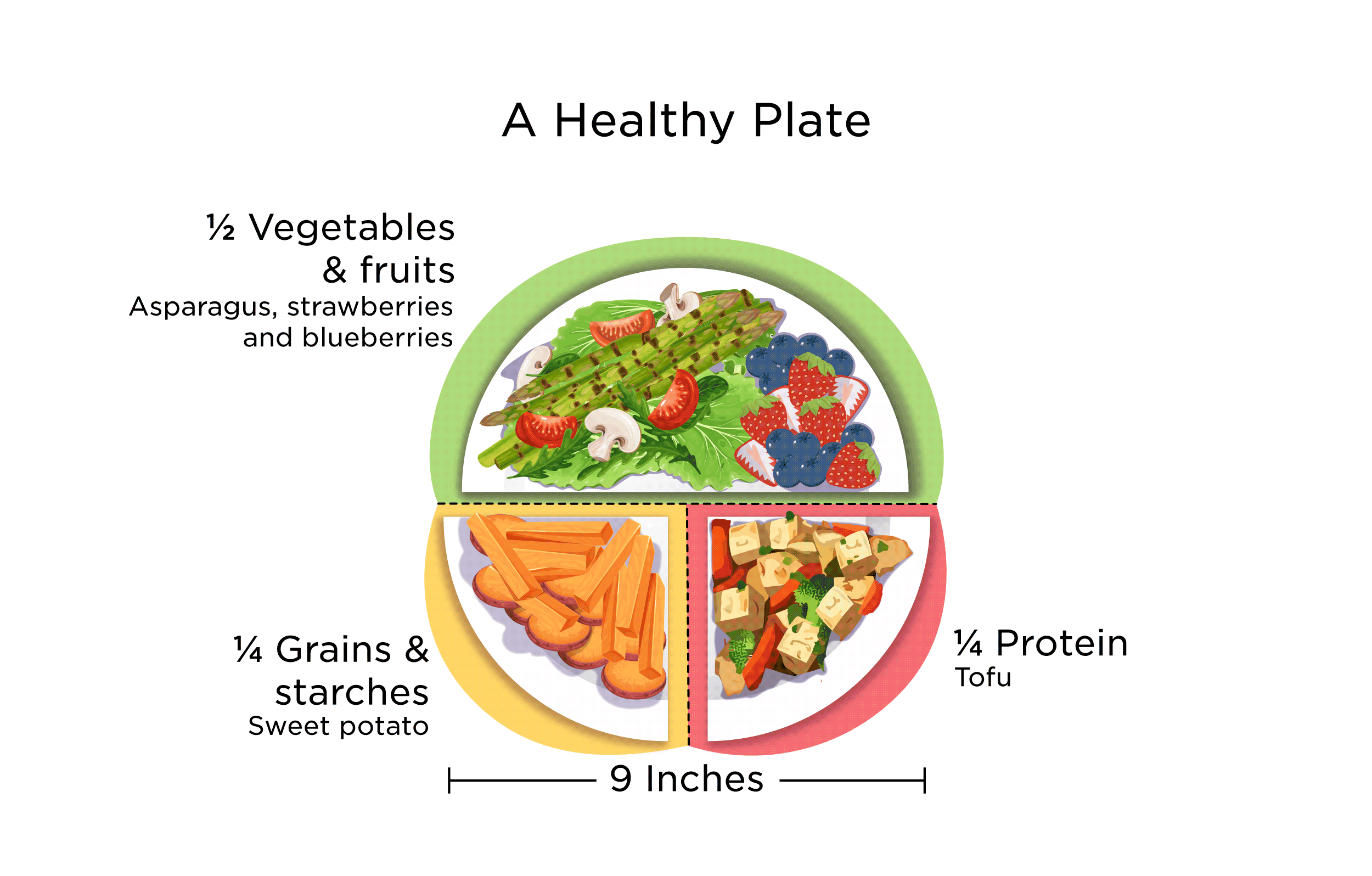
🥇 1. Leafy Greens (Spinneys Rocket, Kale) – Volume Without Calories
20 calories/cup but 90% water + 4g fiber = instant satiety. Sulforaphane in UAE-grown broccoli boosts fat oxidation 16%.
Dubai Hack: Fill half of every plate. Rove Dubai's kale Caesar (380 cal) beats brunch buffet (1,800 cal).
Daily Target: 400g (8 cups).
12-week result: Natural 2,400-calorie weekly deficit.
🥈 2. Chicken Breast (Al Jazira Poultry) – Protein Satiety King
165 calories/100g, 31g protein. Highest thermic effect (30% calories burned digesting). Ghrelin suppression lasts 4 hours.
Dubai Sources: Spinneys fresh chicken AED 25/kg. Jones the Grocer grilled (200g = 62g protein).
Pro Move: Every meal 30-40g protein.
Post-gym chicken + rice = 8-hour hunger block.
🥉 3. Eggs (Al Jazira Free-Range) – Perfect Protein Efficiency
70 calories/egg, 6g protein. Choline preserves muscle during fat loss. Egg breakfasts cut daily calories 400 vs cereal.Dubai Breakfast: Clinton St.
Baking eggs Benedict (2 eggs + spinach) = 420 calories, 8-hour fullness.Target: 3-4 daily.
Boiled eggs + cucumber = AED 5 perfect snack.
🥄 4. Greek Yoghurt (Dodoni Fage 0% Spinneys) – Probiotic Protein Bomb
100 calories/170g, 17g protein. Casein digests 7 hours. Probiotics improve insulin sensitivity 24%.
Dubai Hack: Fage + Waitrose berries (180 cal) beats granola (520 cal).
Byblos Sur Mere Greek salad perfect lunch.
Pro Tip: 200g post-workout = muscle preservation + hunger elimination.
🥅 5. Salmon (Wild Alaskan Spinneys) – Omega-3 Fat Burner
200 calories/100g, 25g protein. EPA/DHA reduce inflammation, blocking fat loss. Highest leptin sensitivity.
Dubai Reality: Zuma salmon sashimi (18 pieces = 400 cal, 60g protein).
Nobu miso black cod alternative.
Frequency: 3x weekly.
Omega-3s = 12% higher fat oxidation.
6. Lentils (Alispagh Brown Spinneys) – Cheap Fiber Protein Combo
116 calories/100g cooked, 9g protein, 8g fiber. Resistant starch feeds gut bacteria, producing satiety hormones.
Dubai Classic: Al Mallah lentil soup (300 cal bowl = 22g protein).
Carrefour packets AED 8/kg.Hack: Replace rice (1.5x volume, half calories).
7. Oats (Quaker Rolled Spinneys) – Beta-Glucan Fullness
380 calories/100g dry, 13g protein, 10g fibre. Beta-glucan forms a stomach gel, reducing hunger 22%.
Dubai Breakfast: Oats + Fage + berries (450 cal) beats hotel buffet (1,200 cal).
Prep: Overnight oats portable for Marina commutes.
8. Berries (Waitrose Frozen Mixed AED 25) – Antioxidant Satiety
50 calories/100g, 7g fibre. Polyphenols block fat storage enzymes. Lowest glycemic fruits.
Dubai Solution: Frozen berries year-round. Annexe berry protein bowlis ideal post-gym.
Daily: 150g with Greek yoghurt = dessert replacinga 600-calorie cake.
9. Avocado (Spinneys Hass) – Healthy Fat Controller
160 calories/100g, 15g fibre, 20% monounsaturated fat. Slows carb absorption, preventing insulin spikes.
Dubai Portions: Half avocado daily max.
Comptoir 102 avo toast (400 cal, balanced macros).
10. Green Tea (Lipton Pure Matcha Spinneys) – EGCG Metabolism Boost
4mg caffeine + 100mg catechins/cup. Increases norepinephrine 17%, burns 80 extra calories daily.
Dubai Timing: Post-meal (blocks 15% fat absorption).
Caribou Coffee matcha alternative.
Dubai Dining Out Weight Loss Blueprint
Zuma: Salmon sashimi (18 pieces) + edamame + miso soup = 650 calories, 75g protein.
Comptoir 102: Kale quinoa bowl + grilled chicken = 520 calories, balanced macros.
Rove Dubai: Protein power bowl = 480 calories gym lunch.
Byblos Sur Mere: Greek salad + grilled fish = 420-calorie dinner.
Weekly Strategy: 5 home meals (chicken + greens), 2 restaurant (protein + veg focus).
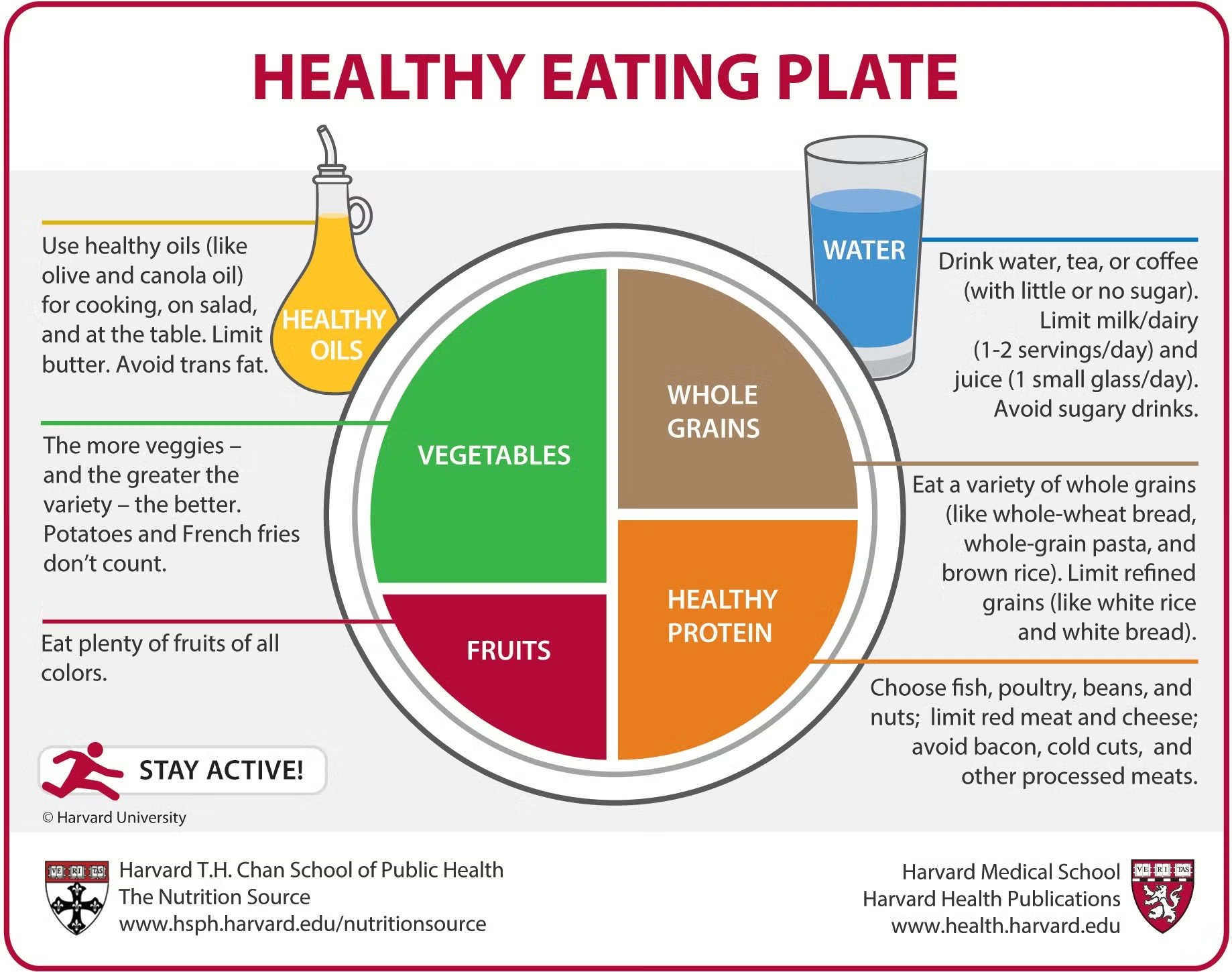
Being Fit Client Food Diary (12kg Transformation)
Kunal (DIFC, 14 weeks):
textBreakfast: 3 eggs + spinach + oats (450 cal)Lunch: Zove chicken bowl + greens (520 cal) Snack: Fage Greek yogurt + berries (180 cal)Dinner: Salmon + broccoli + lentils (650 cal)Total: 1,800 cal, 185g protein, 35g fiberResult: 12kg fat loss, 2kg muscle gain7 Dubai Diet Saboteurs (Avoid These Traps)
Brunch buffets (3,200 average calories). Zuma wagyu beef (1,200 cal/200g). Hotel room service (1,800 cal "healthy" plates). Sugary mint tea (120 cal/cup). White rice at Indian restaurants (700 cal/cup). Large avocado portions (640 cal whole). Dried fruit "snacks" (400 cal/handful).
Shopping List (Spinneys AED 150 Weekly)
4 chicken breasts (AED 25), 2 dozen eggs (AED 15), 1kg Fage yogurt (AED 25), 500g salmon (AED 35), 1kg lentils (AED 8), 1kg oats (AED 10), 500g spinach (AED 8), frozen berries (AED 25).
Total protein: 12kg.
Practical Implementation: Start Today
Day 1 Swap: Replace lunch sandwich (800 cal) with chicken salad (420 cal). Instant 380-calorie deficit.
Weekend Prep: Cook 2kg chicken, boil 36 eggs, chop vegetables. 90 minutes = 7-day meals ready.
Restaurant Hack: Order protein + double vegetables, skip rice/pasta/bread. Saves 600 calories minimum.
Progress Tracking: Weekly waist measurement + scale.
Target: 0.75-1kg weekly fat loss.